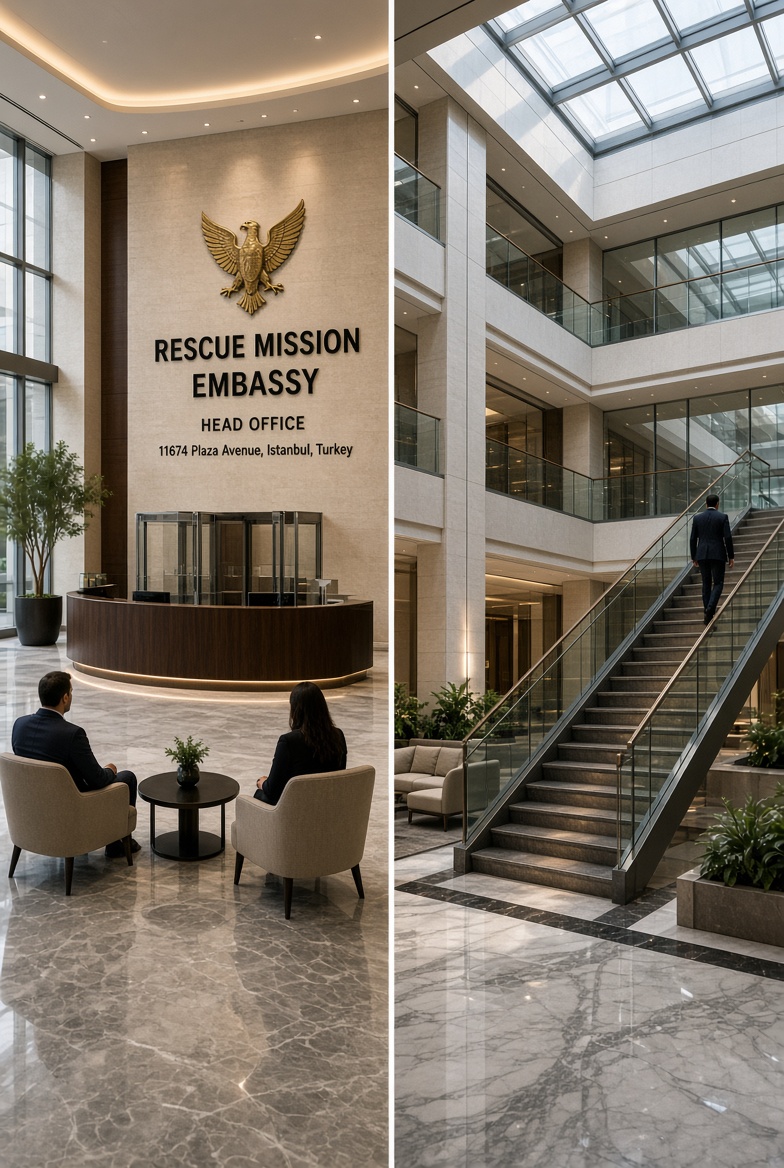
An open record of displacement, camp life, and the international response — told through stories, images, and the paperwork that shapes a life in transit.
Read the Stories
From the reasons people flee to the systems that decide what happens next, these are the threads that make up a displaced life.

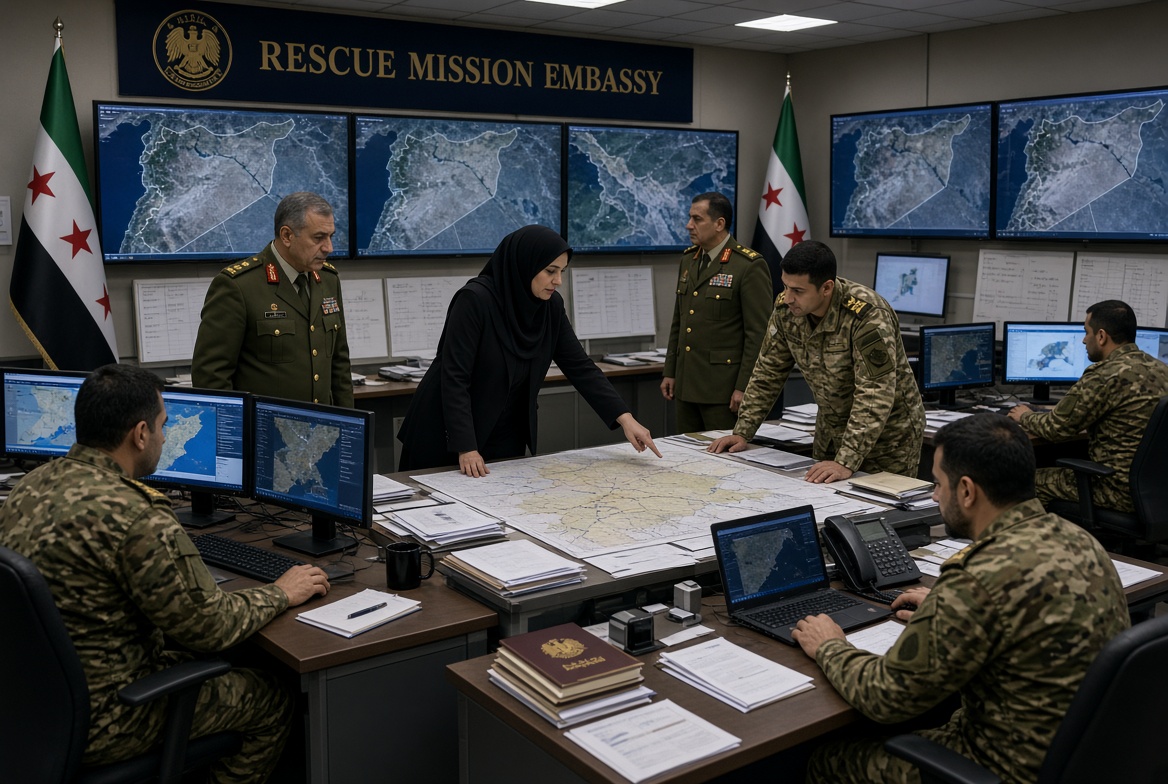
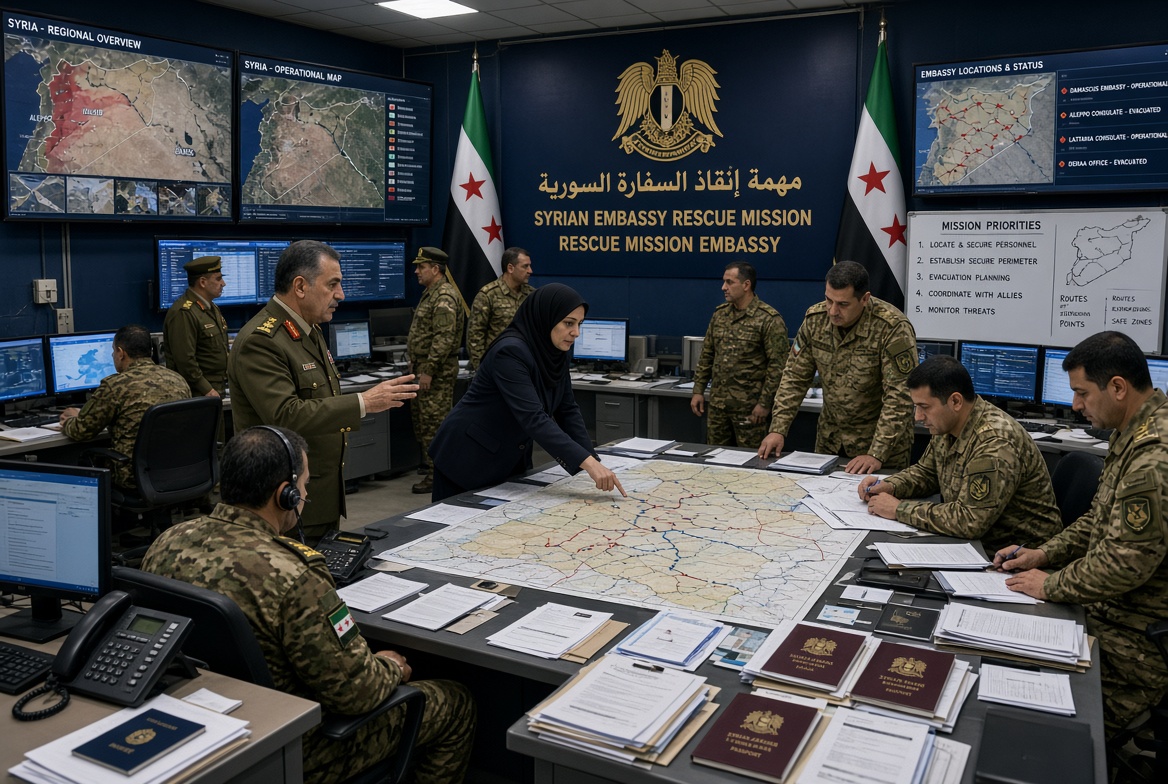
Armed forces and peacekeepers provide perimeter security and rapid response to threats against displaced populations.

Military engineers support infrastructure, water supply, and emergency evacuation routes to keep camps operational.

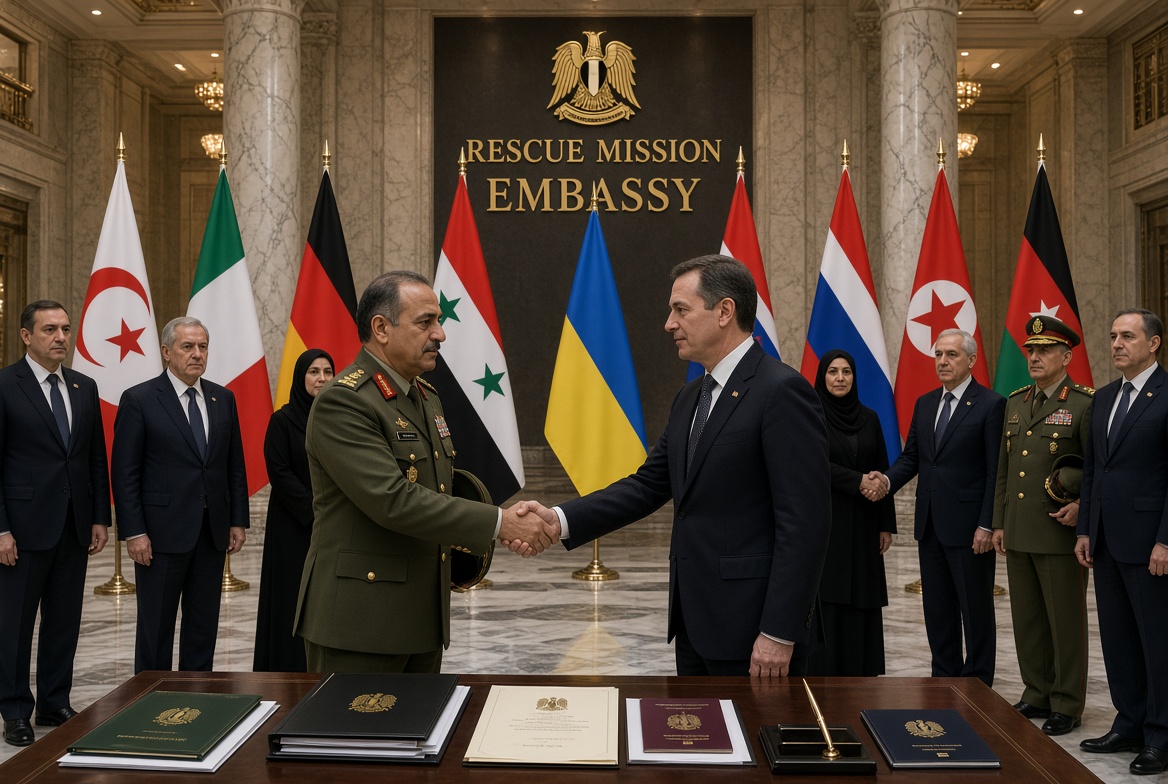
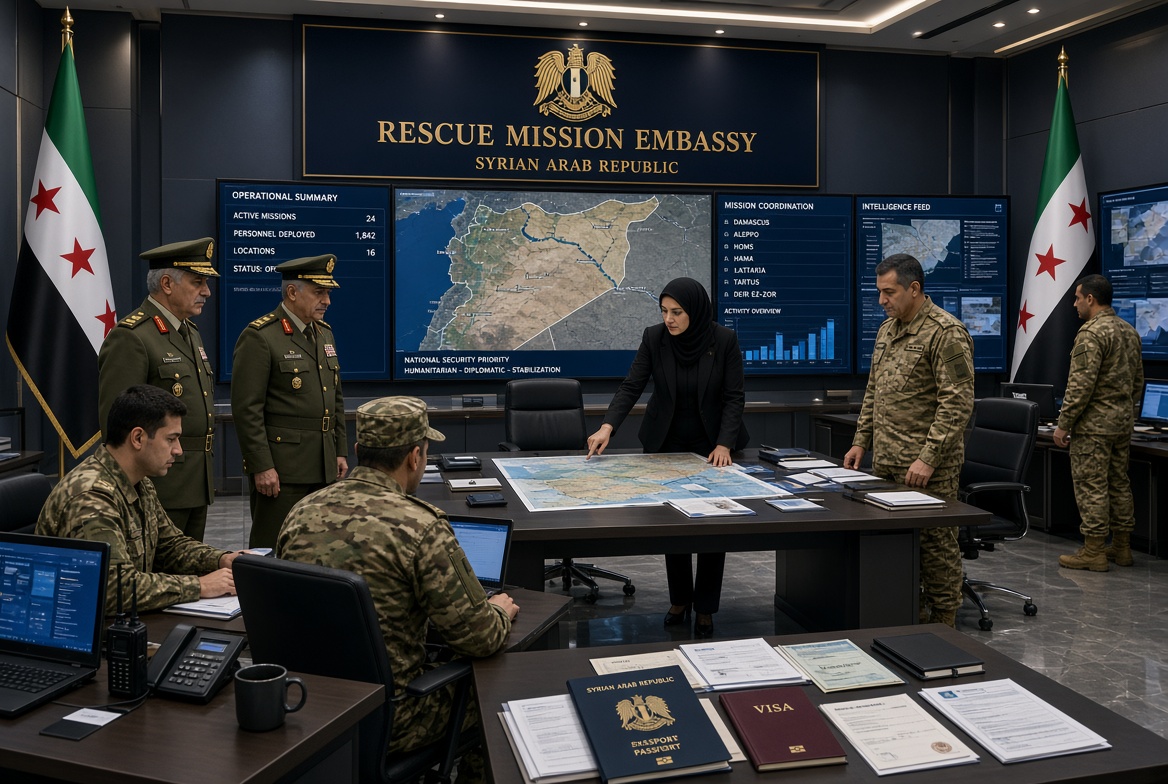
Joint operations between embassies, UNHCR, and defense forces manage resettlement, safe passage, and humanitarian corridors.
UN peacekeeping forces work alongside aid agencies to keep camps safe, secure supply routes, and de-escalate tension in some of the world's most volatile displacement zones.
Read MoreUN peacekeeping forces work alongside aid agencies to keep camps safe, secure supply routes, and de-escalate tension in some of the world's most volatile displacement zones.
Read MoreA few frames from camps, border crossings, and resettlement processing around the world.
Rescue Missions Embassy exists to give the numbers a face. Every camp, every border crossing, every embassy interview represents a person who had no good options — only the least bad ones. We record what we see so the world doesn't look away.
Displacement doesn't happen in one moment — it unfolds across years, institutions, and borders. These are the threads we follow.
Earthquakes, bombings, and floods that displace entire neighborhoods overnight — and the scramble to respond.
The unglamorous logistics that determine whether a displaced family survives the first month.
Field clinics and mobile units trying to cover populations many times larger than they were built for.
How international forces and aid workers try to keep camps and corridors safe amid ongoing conflict.
When an earthquake or an act of war levels a neighborhood, displacement happens in hours, not months. Search-and-rescue teams work through rubble while aid convoys try to reach survivors before food and water run out.
These are the moments before a camp even exists — when a family goes from having a home to having nothing, all in a single afternoon.
Read Emergency Reports"We left with what we could carry. The camp gave us a tent. Time gave us a routine. Neither gave us back what we lost."
— Camp resident, East Africa"The paperwork takes longer than the war did. Some days that feels crueler."
— Asylum applicant, awaiting embassy decision"We treat the wound in front of us. We don't have the luxury of asking how many more are coming."
— Field medic, mobile clinicA first-hand account of processing and registration at a frontier station.
How teachers are rebuilding schooling inside temporary settlements.
The years-long paperwork trail behind a single successful resettlement.
No sign-up walls, no paywalls. Browse the articles, look through the gallery, and if you work with displaced people, check the Staff Portal for your own profile.